
Kratom continues to gain attention around the world as more people explore botanical products derived from Southeast Asian plants. Among the many varieties available today, red papua kratom stands out as one of the more distinctive strains. Known for its unique origin, deep color classification, and recognizable characteristics, this kratom variety has become a popular option among experienced kratom users.
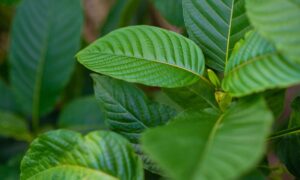
Red Papua kratom is typically associated with the island of Papua in Southeast Asia, a region known for dense tropical forests and favorable conditions for growing kratom trees. Like other kratom varieties, it comes from the leaves of the Mitragyna speciosa tree. The red designation refers to the color of the leaf veins, which is commonly used to categorize kratom strains.
In this blog, we will explore everything you need to know about red papua kratom, including what it is, how the strain differs from other varieties, what users typically report about its characteristics, and potential side effects associated with kratom products.
What Is Red Papua Kratom?
Origins and Background
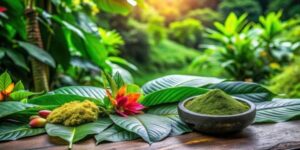
Red papua kratom originates from the Papua region, which is part of Indonesia and is located near Papua New Guinea. This area is known for its humid climate, nutrient-rich soil, and dense jungle environment—conditions that are ideal for kratom trees to grow naturally.
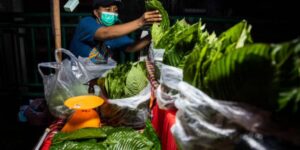
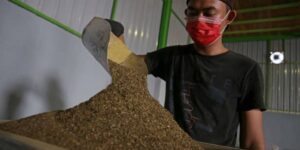
Local farmers harvest kratom leaves from mature trees and then dry them before grinding them into powder. The drying process and the maturity of the leaves can influence the final characteristics of the strain.
Because kratom grows best in tropical climates with high rainfall and stable temperatures, Southeast Asian regions such as Indonesia, Malaysia, and Thailand have historically been the primary sources of kratom products.
Understanding the Red Vein Classification
Kratom strains are commonly categorized by the color of the leaf veins:
- Red vein
- Green vein
- White vein
Red papua kratom belongs to the red vein category. Red vein kratom leaves typically have darker veins and are harvested when fully mature. These mature leaves often undergo a specific drying process that contributes to their final profile.
Color classification is primarily used as a general way to distinguish different kratom varieties. However, environmental factors, harvesting techniques, and processing methods also influence how users perceive each strain.
Appearance and Preparation
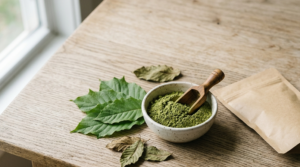
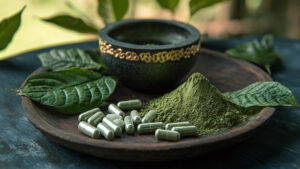
Red Papua kratom usually appears as a fine, dark green to brownish powder once processed. The leaves are dried and ground before being packaged for distribution.
Common forms in which red papua kratom is sold include:
- Powder
- Capsules
- Tablets
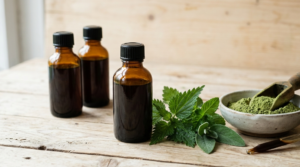
- Extracts
- Tea blends
Red Papua Kratom Strain
What Makes the Red Papua Kratom Strain Unique?
Among the many kratom varieties available today, the red papua kratom strain has a reputation for being distinct due to its geographic origin and leaf characteristics. Papua’s remote forests allow kratom trees to grow with minimal agricultural interference, which some enthusiasts believe contributes to the strain’s natural profile.
Compared to some other kratom strains, red papua kratom is often described as having a rich, earthy aroma and strong botanical taste. These qualities are typical of kratom leaves harvested from mature trees.
The strain’s profile can vary depending on factors such as:
- Soil conditions
- Climate patterns
- Harvest timing
- Drying and fermentation processes
How Red Papua Kratom Differs From Other Strains
While all kratom strains come from the same plant species, differences arise due to geographic origin and processing techniques.
Red papua kratom is often compared with other well-known red strains, such as:
- Red Bali
- Red Borneo
- Red Maeng Da
Each strain develops its own identity based on regional growing conditions and harvesting methods.
Red Papua Kratom
- Originates from the Papua region
- Often harvested from wild kratom trees
- Known for a strong botanical aroma
Red Bali
- Typically cultivated in Indonesia
- Known for a smoother powder consistency
Red Borneo
- Harvested from forests in Borneo
- Often associated with balanced botanical characteristics
While these comparisons help illustrate differences, individual experiences can vary widely depending on product quality and preparation.
Harvesting and Processing
The production of red papua kratom involves several steps:
- Leaf harvesting: Farmers collect mature leaves from kratom trees.
- Drying: Leaves are dried under controlled conditions.
- Grinding: Dried leaves are ground into a fine powder.
- Packaging: The powder is sealed and prepared for distribution.
Benefits of Red Papua Kratom
When discussing the benefits of red papua kratom, it is important to focus on general product characteristics rather than medical or health claims. Kratom products are often appreciated for their versatility and the variety of formats in which they are available.
Convenience and Versatility
One of the key advantages of red papua kratom is its versatility in preparation. Because it is available in powder, capsule, and extract form, users can choose the format that best suits their preferences.
For example:
- Powder can be mixed into beverages or teas.
- Capsules offer a convenient, pre-measured option.
- Extracts provide a concentrated format.
Widely Available Strain
Red papua kratom has become widely available through online vendors and specialty shops. This accessibility allows consumers to explore the strain easily compared with more obscure kratom varieties.
Availability also encourages competition among vendors, thereby improving product quality and transparency.
Distinct Botanical Profile
Many kratom enthusiasts appreciate red papua kratom for its distinct botanical character, including its aroma, taste, and texture.
Because it is harvested from mature leaves, the powder often has a rich, earthy profile that some users find appealing compared with milder strains.
Variety of Consumption Methods
Another benefit is the ability to consume red papua kratom in multiple ways. Popular preparation methods include:
- Kratom tea: Mixing powder into hot water
- Capsules: Swallowing pre-filled capsules
- Smoothies: Blending powder with fruit and liquids
- Toss and wash: Placing powder in the mouth and washing it down with water
Side Effects of Red Papua Kratom
Like many botanical products, kratom may produce side effects, particularly when consumed in large amounts or without proper moderation. Being aware of potential side effects helps users approach the product responsibly.
Digestive Discomfort
Some individuals report mild digestive discomfort when consuming kratom powder. This may include sensations such as stomach upset or nausea, especially if kratom is taken on an empty stomach. Mixing kratom with beverages or food may help reduce this discomfort for some users.
Dizziness
Another commonly reported side effect is dizziness, particularly when higher amounts of kratom are consumed. This sensation may occur if the body is not accustomed to kratom products. Starting with smaller amounts can help users better understand how their body responds.
Dry Mouth
Dry mouth is another experience occasionally reported by kratom users. Staying hydrated by drinking water throughout the day can help minimize this effect.
Fatigue or Restlessness
Depending on the amount consumed and the individual’s tolerance, kratom products may sometimes lead to temporary sensations of fatigue or restlessness.
Importance of Moderation
Moderation is one of the most important considerations when using any botanical product. Consuming large quantities increases the likelihood of experiencing unwanted side effects.
Responsible use includes:
- starting with smaller amounts
- avoiding excessive intake
- monitoring personal tolerance
Tips for Choosing Quality Red Papua Kratom
With many kratom products available online and in stores, choosing a reliable source is essential.
Look for Third-Party Testing
Reputable vendors often provide third-party lab testing to confirm product quality. These tests help verify that the kratom is free from contaminants and meets quality standards.
Check Vendor Transparency
Trustworthy vendors typically provide detailed information about:
- Origin of their kratom
- Harvesting practices
- Processing methods
Read Customer Reviews
Customer feedback can offer insights into product consistency and vendor reliability. While reviews should not be the only deciding factor, they can help identify reputable suppliers.
How to Store Red Papua Kratom
Proper storage can help maintain the freshness and quality of kratom powder.
Keep It Airtight
Exposure to air can gradually reduce the potency and freshness of kratom powder. Storing it in an airtight container helps preserve its characteristics.
Avoid Sunlight
Direct sunlight may degrade botanical products over time. Keeping kratom in a dark location can help maintain its quality.
Maintain Cool Temperatures
Heat and humidity can affect kratom powder. Storing it in a cool, dry place helps prevent clumping and spoilage.
Final Thoughts
Red papua kratom is one of the many unique kratom strains available today, known for its origin in the lush forests of Papua and its classification as a red vein variety. Like other kratom products derived from Mitragyna speciosa, it is valued by enthusiasts for its distinctive botanical profile and versatility in preparation.
Understanding what red papua kratom is, how the strain differs from others, and how it is typically prepared can help consumers make informed choices. While the strain is widely available and appreciated for its earthy aroma and flexible consumption methods, it is equally important to approach kratom responsibly and remain aware of possible side effects.
Choosing quality products from reputable vendors, starting with moderate amounts, and paying attention to personal tolerance can help create a safer and more balanced experience. As interest in kratom continues to grow globally, education and responsible use remain essential for anyone exploring strains like red papua kratom.