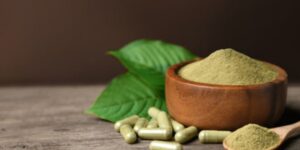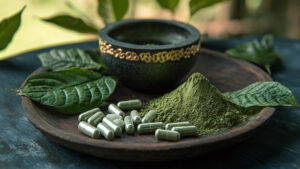

People across the globe are noticing Kratom, which is made from Mitragyna speciosa plant leaves from Southeast Asia, known for its many chemicals and both old and new uses. Because kratom is gaining popularity, many new ways to use it have appeared, and syrup and extract have become two of the strongest choices.
In this blog, we’ll examine the similarities and differences between kratom syrup and extract, their current chemical structures, historical significance, mechanisms of action in the body, and safety concerns.
Understanding the History of Kratom
In places like Thailand, Malaysia, and Indonesia, kratom has long been chewed or made into a tea by those who have used it. In traditional societies, laborers took kratom because it stimulated them while at work. In higher amounts, it was often used for its relaxing effect.
Traditional medicine in many cultures has often included kratom to relieve tiredness, pain, or troubling symptoms as a result of quitting a substance. Because there was more interest in natural products around the world, kratom made its way to the West and was made into more precise products like extracts and syrups.
Kratom Chemistry: Alkaloids and Active Compounds
Kratom gets its main effects from the rich alkaloid content within it. Among all alkaloids, mitragynine and 7-hydroxymitragynine are considered the most important.
Of all alkaloids in kratom leaves, mitragynine is most common, and 7-hydroxymitragynine is present in lesser amounts but is more potent. At low levels, these compounds promote increased activity in the body, whereas at higher levels they cause relaxation and pain relief.
Kratom Syrup: What Is It?
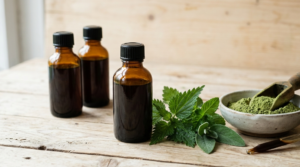
Kratom syrup is a liquid product made by transferring the main alkaloids from kratom into an easy-to-use syrup. The reason this form is popular is that users enjoy taking it without having to measure out powders or large capsules.
How Is Kratom Syrup Made?
Most people produce kratom syrup by boiling choice kratom leaves to draw out their active substances, concentrating the resulting liquid, and adding sugar or flavoring to make it more palatable. This approach yields a robust cooking oil that is ready to drink straight or can be added to drinks.
Key Benefits
- Fast-acting: Liquid forms like syrup are absorbed more quickly, leading to faster onset of effects.
- Convenient dosing: Syrup allows for more precise measurement and easier consumption.
- Discreet and portable: It’s easy to transport and consume without preparation.
Kratom Extract: Forms and Potency
Kratom extract is the term given to any strong form of kratom, sold as liquids, powder, tincture, or resins. Makers make extracts by steadily boiling kratom leaves for hours, collecting the alkaloids, and then reducing the solution after straining it.
Types of Kratom Extract
- Liquid Extracts: Highly concentrated, often sold as tinctures or shots. These are typically more potent than powder extracts and are designed for rapid absorption.
- Powder Extracts: Dark, potent powders that can be mixed into drinks, encapsulated, or taken directly.
Potency and Alkaloid Content
The numbers after the colon on extract labels (2:1 or 10:1) describe how much more powerful they are compared to ordinary leaf powder.
A good example of this would be a 10:1 extract, giving you much more potency than the powder you started with. Since THC is now more potent, users only need a little, but they are more likely to have side effects if they don’t pay attention.
Kratom Syrup vs Extract: Key Differences
| Feature | Kratom Syrup | Kratom Extract |
| Form | Liquid, often sweetened/flavored | Liquid tincture, shot, or concentrated powder |
| Onset of Effects | Rapid | Rapid (liquid), moderate (powder) |
| Potency | High | Very high (varies by ratio) |
| Dosing | Easy, pre-measured | Requires careful measurement |
| Taste | Palatable, often masked | Bitter, earthy |
| Convenience | Very convenient | Convenient, but the powder may require prep |
| Cost | Typically higher | Varies by type and concentration |
Kratom Alkaloids Effects and Mechanism of Action
How Kratom Works: MOA (Mechanism of Action)
Mitragynine and 7-hydroxymitragynine, the main chemicals in Kratom, only partly stimulate the mu-opioid receptors in the brain. At stronger doses, kratom’s interaction causes it to produce analgesic, euphoric, and sedative effects, but at lower doses, it acts as a stimulant.
- Mitragynine: The main alkaloid provides stimulating effects at low doses and pain relief at higher doses.
- 7-Hydroxymitragynine: More potent, responsible for much of kratom’s sedative and analgesic properties.
Unlike regular opioids, kratom does not as strongly influence respiratory depression and other bad effects through particular signaling routes.
Kratom Plant Name and Chemistry
- Botanical name: Mitragyna speciosa
- Family: Rubiaceae (coffee family)
- Active compounds: Over 40 identified alkaloids, with mitragynine and 7-hydroxymitragynine being the most significant.
How Much Mitragynine in Kratom? Kratom Alkaloid Content
The alkaloid content in kratom leaves varies by region, age, and processing method. On average:
- Mitragynine content: 0.5% to 1.5% of dried leaf weight.
- 7-Hydroxymitragynine content: 0.01% to 0.04% of dried leaf weight.
Kratom extracts and syrups are designed to increase the concentration of these alkaloids, making dosing more efficient but also requiring greater caution.
Mitragynine Half-Life and Kratom Chemistry
It takes about 24 hours for mitragynine to be half cleared out of the human system. That long half-life brings lasting effects from kratom, but it also raises the risk of side effects if you continuously use it, since the doses accumulate.
7-Hydroxymitragynine Extract and Hydroxymitragynine Kratom
7-Hydroxymitragynine extract contains a very high amount of a powerful kratom alkaloid. Though CBD exists only marginally in raw cannabis leaves, it is often increased to great levels in extracts and syrups to make them more potent.
Kratom extracts and syrups get their strong analgesic and sedative effects mostly from mitragynine.
Kratom Opioid Receptors and Effects
Much of Kratom’s main effects are due to how it works with opioid receptors. Even though mitragynine and 7-hydroxymitragynine are like opioids and bind to mu-opioid receptors, their actions on these receptors and the unique pathway they follow separate kratom from traditional opioids.
Many think the difference in use reduces the risks linked to classical opioids, yet kratom can cause addiction and withdrawal.
Kratom Studies and Medical Research
There is an ongoing study into how kratom works, how safe it is, and how effective it is. Labs have looked into its ability to help with pain, feelings, and getting off opioids, though studies involving large numbers of humans are still few.
Based on animal research, kratom may help with depression, appetite, and thinking, though additional efforts are required to confirm this for humans.
Kratom Danger Awareness
Although kratom shows some promising effects, it also has health risks. With no rules, what’s in your CBD product can vary a lot, and other things may be added without your knowledge. Common side effects are nausea, difficulty passing stools, sometimes dizziness, and, when doses are high, both sleepiness and slowed breathing.
Another concern is the chance of getting hooked, having trouble stopping, and drug interactions with other drugs.
Warnings about kratom’s safety have come from the FDA and DEA, and it is still considered a controlled substance in several countries and some U.S. states.
Is Kratom Acidic?
Alkaloids and plant acids in kratom make the plant slightly acidic. Usually, the acid doesn’t cause serious problems for the digestive system, mainly when peppers are consumed in modest quantities or included in syrups or extracts.
Kratom Syrup and Extract: Choosing the Right Form
When to Choose Kratom Syrup
- Convenience: Ideal for users seeking a fast, discreet, and palatable option.
- Precise dosing: Pre-measured servings make it easier to control intake.
- Rapid onset: Suitable for those who want effects to begin quickly.
When to Choose Kratom Extract
- Potency: Best for experienced users who need higher concentrations.
- Versatility: Can be mixed into drinks, capsules, or taken directly.
- Long-lasting effects: Especially with high-ratio extracts.
Final Thoughts
Kratom syrup and extract are advanced types of kratom, with their special benefits and points to keep in mind. Syrup is easy to take and quickly gives results, while extracts are more powerful and can be used in many forms.
Because they capture the prime alkaloids from kratom, both forms make the plant’s effects more noticeable and require careful use.
No matter what supplement you use and especially those rich in active compounds, be sure to learn about them, choose premium products, and watch for any dangers. Continued research helps us learn about kratom’s effects and its possible role in health now, but being careful is still vital.