Kratom enthusiasts are always seeking creative, effective, and more enjoyable ways to experience this ancient botanical. Among the many preparation methods that have emerged over time, one stands out for both its visual appeal and simplicity — the kratom red bubble technique.
This unique process has gained popularity for its ability to change the texture, color, and user experience of kratom powder by freezing it with lemon juice or another acidic liquid.
In this blog, we’ll explore everything you need to know about the red bubble technique, including what it is, how it works, detailed step-by-step instructions, and how it compares to other popular methods of preparing and consuming kratom. Whether you’re new to kratom or looking to refine your routine, this guide will give you the full picture.
What Is the Red Bubble Technique?
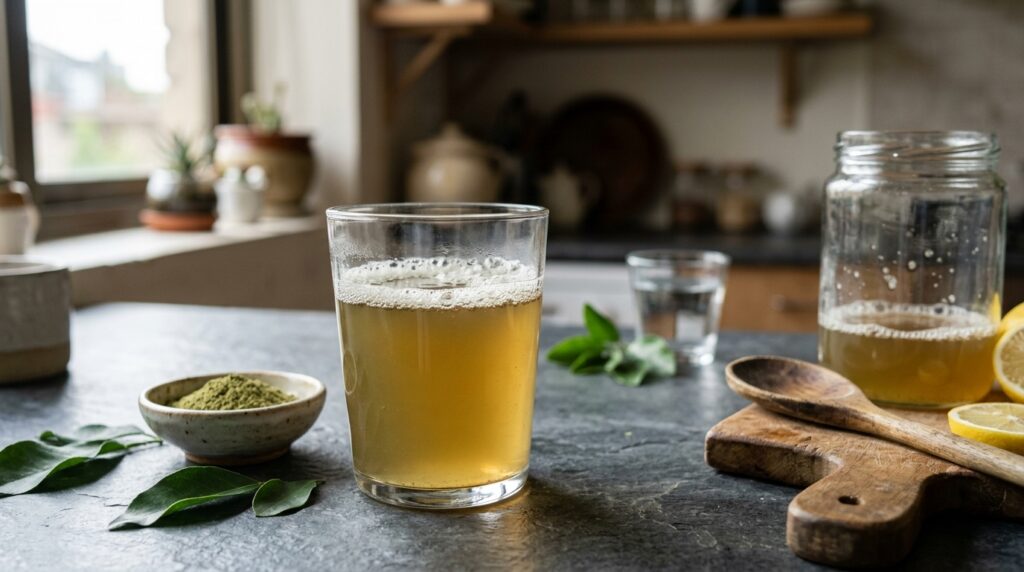
The red bubble technique refers to a simple preparation method used by kratom enthusiasts to pre-treat kratom powder before consumption. The process involves mixing kratom powder with an acidic liquid (such as lemon juice) and freezing it overnight.
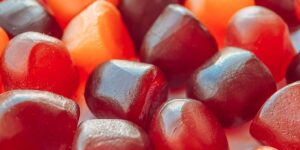
When the mixture freezes, it forms a reddish, bubble-like structure, hence the name red bubble. This transformation isn’t just aesthetic; it also represents a chemical reaction between kratom’s natural alkaloids and the acidic environment.
Enthusiasts believe that this process may help make kratom smoother and potentially easier to incorporate into beverages or recipes. The freezing step may also help preserve certain natural properties of the plant by stabilizing it before use.
Although the name sounds like something out of a science experiment, the technique is simple, fun to try, and appreciated by those looking to enhance the flavor and texture of kratom preparations.
How Does the Red Bubble Technique Work?
At its core, the red bubble technique works through a combination of acidic breakdown and temperature transformation. When kratom powder is mixed with an acidic substance like lemon or lime juice, it undergoes a mild natural reaction. Freezing the mixture afterward helps lock in that reaction, resulting in the deep red tint and icy bubble shape.
Let’s break down what happens step by step:
1. The Role of Acidity
Kratom leaves contain alkaloids — plant-based compounds that give each strain its unique properties. Acidic liquids help release and stabilize these alkaloids before they are consumed. Common acids used include:
- Lemon juice
- Lime juice
- Apple cider vinegar
These ingredients are all-natural and easy to find, making the process accessible to anyone experimenting with kratom.
2. The Freezing Process
After mixing kratom powder and lemon juice into a slurry, the mixture is placed in the freezer overnight. As it freezes, small chemical and structural changes occur within the mixture. The result is a red-colored frozen disk or “bubble” of kratom.
When thawed or blended, the texture tends to be smoother, and the flavor slightly less bitter compared to raw powder mixed directly into liquids.
3. Color Transformation
The distinctive red hue is the most notable feature of this method. It is caused by a combination of oxidation and the interaction between the acidic environment and the kratom’s alkaloids. This visual cue is what gives the technique its name and makes it stand out among other preparation methods.
In short, the red bubble technique doesn’t just change the look of kratom — it changes the way people experience it, offering a smoother and often more flavorful result.
Instructions for the Red Bubble Technique
If you’re interested in trying the red bubble technique, the good news is that it’s simple, quick, and requires no special equipment. Below is a step-by-step guide to making your own red bubble kratom preparation at home.
Ingredients and Supplies You’ll Need:
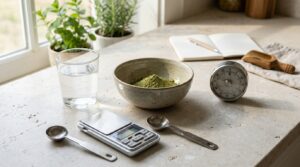
- 1–2 teaspoons of kratom powder (adjust as preferred)
- Lemon juice or another acidic liquid (just enough to cover the powder)
- Water (optional, for dilution)
- A small bowl or cup
- A spoon for stirring
- Freezer-safe container or ice cube tray
Step 1: Measure the Kratom Powder
Start by measuring out your desired amount of kratom powder. Beginners may want to start small, using about one teaspoon or less to test the process before scaling up.
Step 2: Add Lemon Juice (or Another Acidic Liquid)
Pour enough lemon juice over the powder to create a thick, consistent paste. Stir well to ensure the powder is fully coated and absorbed by the liquid. The acidity helps pre-treat the powder, and lemon juice adds a pleasant citrus scent.
Step 3: Optional – Add a Bit of Water
If the mixture feels too thick, add a small amount of water to help it mix more evenly. The consistency should resemble a smoothie or a thick batter — not too watery and not too dry.
Step 4: Freeze Overnight
Transfer the mixture to a freezer-safe container or an ice cube tray. Freeze it overnight, or at least for 8–10 hours, until solid.
When frozen, you’ll notice a reddish tint forming on the surface. This is the signature “red bubble.”
Step 5: Thaw and Use
Once frozen, remove your kratom red bubble and let it thaw slightly before using it. You can mix it into juice, tea, or a smoothie, or consume it as is if you prefer the natural taste.
Because the mixture has already been acid-treated and frozen, many find the resulting kratom smoother and easier to incorporate into their daily routine.
Tips for the Perfect Red Bubble
Creating the ideal red bubble is both art and science. Here are a few expert tips to help you get it right:
Use Fresh Lemon or Lime Juice
Freshly squeezed juice works better than bottled varieties because it contains natural enzymes and a more potent acidity level, helping the process along naturally.
Don’t Over-Dilute
Adding too much water can reduce the effectiveness of the freeze process. Keep your mixture thick and concentrated.
Be Patient
Letting the mixture freeze fully overnight is crucial. Partial freezing may result in uneven texture or color.
Experiment with Flavors
Some users mix in small amounts of honey, agave syrup, or fruit juice before freezing for added flavor. Just be sure to maintain a good acidic balance.
Why People Use the Red Bubble Technique
While the red bubble technique may sound like a trendy social media experiment, it has become popular for several practical reasons.
1. Improved Taste and Texture
One of the most common reasons people try this method is to make kratom easier to consume. Freezing and pre-treating with lemon juice often softens the bitterness and provides a more palatable experience.
2. Easier Mixing
Frozen kratom blends more smoothly into liquids, whether you’re making tea, juice, or smoothies. It avoids the clumping that sometimes occurs with raw powder.
3. Convenience
Preparing red bubbles in advance lets you portion and store kratom easily. You can make several at once, keep them frozen, and thaw them as needed.
4. Aesthetic Appeal
There’s something visually satisfying about the deep red color and smooth texture of a frozen kratom bubble — making the process enjoyable and even share-worthy among enthusiasts.
Other Methods of Ingesting Kratom
While the red bubble technique is fun and effective, it’s not the only way to prepare or enjoy kratom. Let’s look at a few other popular methods and how they compare.
1. The Toss and Wash Method
Toss and wash is one of the simplest and oldest approaches. You take a measured portion of kratom powder, place it in your mouth, and wash it down with water or juice.
- Pros: Quick, no prep time.
- Cons: Can be bitter and cause clumping or discomfort for some users.
2. Kratom Tea
Brewing kratom tea is another favorite. Simply simmer kratom powder or crushed leaf in hot (not boiling) water for 10–15 minutes, strain, and serve.
- Pros: Mild flavor, soothing aroma.
- Cons: Takes longer to prepare; some alkaloids may degrade if overheated.
3. Kratom Capsules
For convenience, pre-filled capsules offer precise serving sizes without the taste of raw powder. Many vendors, including GMP-certified ones, sell cleanly packaged capsule options.
- Pros: Tasteless, travel-friendly, and easy to measure.
- Cons: Slower to digest and may not be customizable.
4. Kratom Smoothies
Mixing kratom into fruit smoothies helps mask the taste and adds natural nutrients. Common bases include banana, yogurt, and orange juice.
- Pros: Refreshing and flavorful.
- Cons: Harder to measure precise amounts unless pre-portioned.
5. Kratom Infused Recipes
Kratom can also be added to food recipes like brownies, energy bars, or soups. While cooking at high temperatures isn’t ideal, adding kratom toward the end of a recipe helps preserve its properties.
- Pros: Creative and enjoyable.
- Cons: Inconsistent potency if not mixed evenly.
Safety and Responsible Use
Before trying any kratom preparation method, it’s essential to remember that responsible use is key.
- Start small: Especially if you’re experimenting with a new preparation technique.
- Source quality kratom: Choose vendors that provide lab-tested, AKA-GMP certified products.
- Avoid mixing kratom with other substances unless you’re certain of the combination’s safety.
- Consult reliable information sources to stay updated on safe usage practices and local regulations.
The red bubble technique is meant to make kratom preparation more convenient and enjoyable, not to encourage overuse or untested combinations.
Storage and Shelf Life
One added benefit of this method is how easy it is to store. Because kratom is frozen, its shelf life naturally extends without the need for preservatives.
Here are a few storage tips:
- Store red bubbles in an airtight freezer bag.
- Keep away from strong-smelling foods to avoid odor absorption.
- Label with date and strain type for easy tracking.
- Use within 3 months for best freshness and consistency.
The Creative Appeal of Kratom Preparation
One reason kratom has built such a dedicated community is its versatility. From traditional tea brewing to the modern red bubble technique, users continually find new ways to personalize their experience.
The red bubble method represents the blending of tradition and innovation, taking a plant that’s been used for centuries and adapting it to contemporary lifestyles. Its popularity demonstrates how curiosity and creativity can lead to new insights into botanical preparation.
Final Thoughts
The kratom red bubble technique is more than just a viral trend; it’s a creative, practical, and enjoyable way to prepare kratom that highlights the plant’s natural versatility. By combining simple ingredients like lemon juice and kratom powder, then freezing them into a distinctive red bubble, users can create a smoother and more palatable way to enjoy their favorite botanical.
This method doesn’t require special tools or advanced skills, just patience, curiosity, and a willingness to experiment responsibly. It also aligns with the broader kratom community’s focus on finding sustainable, enjoyable, and innovative approaches to using this traditional plant.