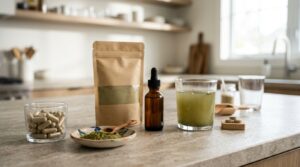

The world of natural wellness offers a wide array of supplements, each with distinct properties and potential benefits. Among the popular options are kratom products and various other natural supplements such as CBD, ginseng, and valerian root. For those exploring plant-based wellness solutions, the question often arises: Kratom vs natural supplements—what should I choose?
This guide provides a comparison of kratom and other popular natural supplements, highlighting their usage methods, benefits, safety considerations, and how they complement diverse wellness needs without making unsupported health claims.
How to Take Natural Supplements
Natural supplements come in various forms and uptake methods, including:
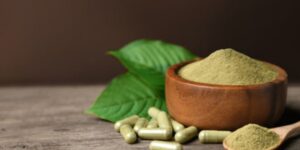
- Capsules and Tablets: Easy, convenient dosing is widely used for ginseng, valerian root, and kratom capsules.
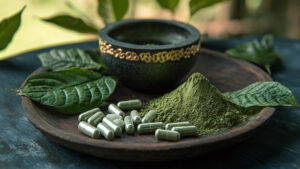
- Powders: Often mixed into smoothies or teas; kratom powders are commonly brewed or taken as “toss and wash.”
- Tinctures and Oils: Liquid extracts such as CBD oils and kratom tinctures offer rapid absorption and flexible dosing.
- Teas: Herbal teas are traditional and soothing methods for supplements like valerian root and ginseng.
- Topicals: Some herbal extracts, including CBD, are formulated for skin application.
Correct usage depends on the supplement type, concentration, and individual preferences.
Benefits of Natural Supplements
Natural supplements serve various wellness roles, depending on their botanical origins and active components.
- CBD: Known for supporting a sense of calm and emotional balance without psychoactive effects, making it appealing for relaxation and consistency.
- Ginseng: Offers antioxidant properties and enhances energy and immune support, widely used to increase vitality.
- Valerian Root: Primarily used to promote relaxation and improve sleep quality, supporting restful downtime.
- Kratom: Unique for its dual stimulant and soothing qualities, depending on the strain and dosage; many users seek kratom for energy, focus, or calming effects.
Understanding how each supplement aligns with personal wellness goals helps in making thoughtful choices.
Kratom Benefits: What Sets It Apart?
Kratom contains alkaloids such as mitragynine, which interact with the body in a way that can promote both stimulation and relaxation, depending on the dose and strain:
- Dual Nature: Kratom offers energy and motivation at lower doses, while higher doses tend to provide calming effects.
- Versatility: With various vein types (red, green, white), kratom adapts to different preferences and routines.
- Quick Onset: Especially in liquid or tincture form, kratom can act faster than many herbal supplements.
- Traditional Use: Rooted in Southeast Asian wellness traditions, kratom’s unique botanical profile distinguishes it from purely herbal supplements.
This dual profile is a notable differentiation point compared to many natural supplements that focus on either relaxation or stimulation.
Comparing Kratom with Natural Supplements
| Aspect | Kratom | CBD | Ginseng | Valerian Root |
| Primary Effects | Powder, capsules, tinctures | Oils, capsules, topicals | Capsules, powders, teas | Capsules, teas, tinctures |
| Form Availability | Powder, capsules, tinctures | Oils, capsules, topicals | Capsules, powders, teas | Capsules, teas, tinctures |
| Onset Time | Fast (especially liquid) | Moderate | Moderate | Moderate to slow |
| Traditional Use | Southeast Asia | Cannabis sativa derivatives | Traditional herbal medicine | Traditional herbal medicine |
| Side Effects | Possible nausea, dizziness | Mild fatigue, irritability | Mild headaches, dizziness | Mild headaches, stomach upset |
| Regulatory Status | Varies by region | Federally regulated in the U.S. | Generally safe | Generally safe |
This comparison highlights kratom’s unique position: adaptable, fast-acting, with a mix of stimulant and relaxing properties, unlike many supplements focused on singular effects.
Safety and Considerations
Every supplement has potential side effects and use considerations:
- Kratom: Side effects can include nausea, dizziness, and tolerance buildup if misused. Responsible dosing and sourcing from reputable vendors are essential.
- CBD: Generally well-tolerated but may cause mild fatigue or gastrointestinal issues.
- Ginseng: Usually safe but can cause headaches or dizziness in excessive amounts.
- Valerian Root: Considered safe but may lead to grogginess if taken in high doses.
Consulting healthcare professionals before beginning any new supplement, especially if combining multiple products, ensures safety and individualized guidance.
Making an Informed Choice
Choosing between kratom and other natural supplements depends on personal goals, tolerance, and preferences:
- For Versatility: Kratom provides multiple effect profiles depending on strain and dose.
- For Consistent Relaxation: CBD and valerian root offer calm, non-stimulating options.
- For Energy and Antioxidants: Ginseng is a traditional pick supporting vitality.
- For Fast Action: Kratom liquids or tinctures can provide quicker effects.
Balanced knowledge about these options supports empowered decisions that fit your wellness lifestyle.
Final Thoughts
The issue of kratom vs natural supplements is not that simple. Both have differentiated features that fulfill different wellness requirements.
The stimulant and calming versatility, quick entering, particularly in liquids, and strong cultural roots are the distinguishing features of kratom. Other herbal supplements, such as CBD, ginseng, and valerian root, occupy niches that have specific advantages.
Learning how to take these supplements correctly, why they are useful, and the side effects they could cause will assist users and shape their natural wellness process. Always follow quality sourcing, responsible usage, and professional consultations in order to enhance the good implications of plant-based supplements.
More Resources
10 Top Non-Alcoholic Wine Alternatives