Harvesting kratom is a critical step in the production of this botanical product sourced from Mitragyna speciosa trees native to Southeast Asia. Proper harvesting and drying methods ensure the quality, potency, and safety of kratom leaves before further processing.
In this blog, we’ll explore the stages and techniques involved in harvesting kratom, including timing, leaf selection, harvesting practices, and drying methods—all essential for producing consistent, high-quality products.
How to Harvest Kratom?
The production of kratom is a science and art, but it is a continuation of the generations of farmers and perfected by modern agricultural techniques. The process and time are real issues to maximize the quality of kratom leaves.
Optimal Timing
Kratom leaves are typically harvested after the tree reaches maturity, generally between 6 months to a year old. The maturity affects the alkaloid profile, which corresponds to the leaf color and its traditional classification:
- White Vein Kratom: Harvested from young, immature leaves with lighter vein shades, often linked to early growth stages.
- Green Vein Kratom: Collected from leaves that have developed further, with veins beginning to blend in color with the leaf.
- Red Vein Kratom: Comes from mature leaves with reddish or dark veins, typically harvested later for their distinctive profile.
The plant can be planted and left to mature to be harvested initially, after which other harvests can be done after 1.5 to 3 months, depending on the health of the plant and the environmental factors.
Leaf Selection
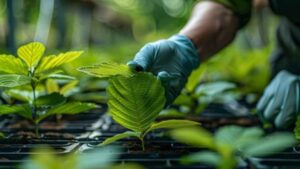
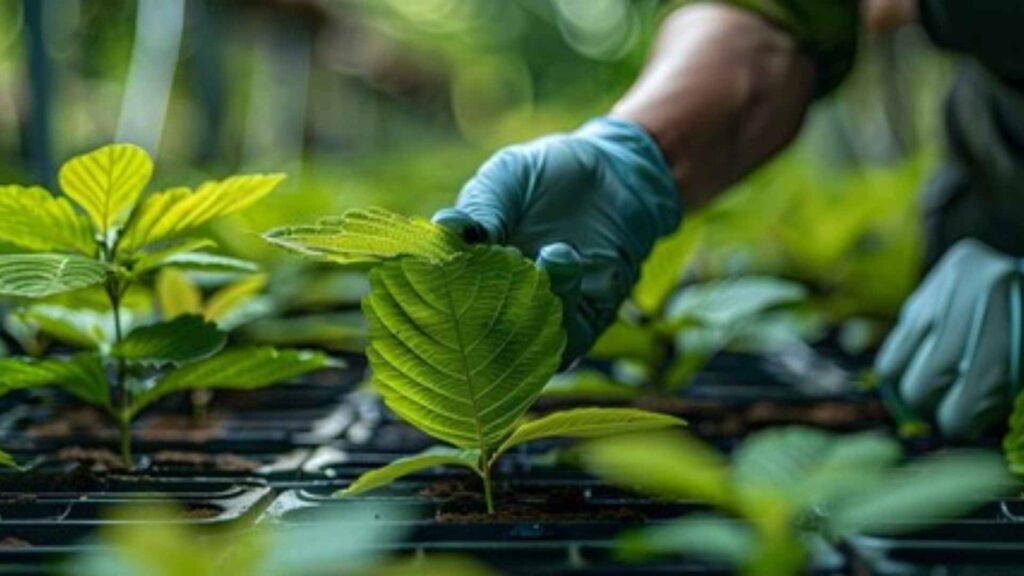
Older leaves are picked by hand, and 4-6 younger leaves are left unpicked so that the tree can grow further and be sustainable. They also strain to pick the brightest and healthiest leaves and do not pick those that have been torn or infested by diseases, since they would affect the quality of the end product.
Harvesting Methods
Conventionally, harvesting of the kratom leaf is done manually, either with sharp cutting tools or through plucking. In other plantations, higher branches are bent down with bamboo poles or ropes, so that they can be reached more easily.
In the case of bigger plantations, partial mechanization is needed to supplement hand picking, although this is always done carefully to ensure that the quality of leaves is maintained.
Kratom Harvesting Method
Harvesting follows a structured schedule based on the tree’s growth and desired leaf vein type, adjusted by season and plantation practices.
- First Harvest: Around 6 months old, focusing on initial leaf removal, producing lower yields.
- Second and Subsequent Harvests: After the first harvest, the leaves regrow and usually yield more product, continuing at intervals determined by environmental factors.
Sustainable harvesting policies also make sure that trees are not harvested to the bare in order to encourage the growth of leaves to sustain long-term farming.
Harvesters also take into consideration the weather conditions; those leaves harvested in the dry season are likely to be thicker with possibly a higher concentration of compounds, whereas wet-season leaves can be high in moisture but with a light profile.
Kratom Drying Method
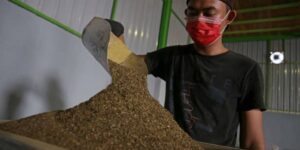
Once harvested, kratom leaves undergo drying to remove moisture, prevent mold growth, and preserve quality.
1. Traditional Sun Drying
In the open air, the leaves are laid out in the form of trays or mats in open areas and exposed to direct sunlight. This technique is based on exposure to the natural airflow and access to sunlight and may require several hours up to a few days, depending on the weather conditions. Sun drying has been known to preserve leaf aroma and potency, but it needs to have appropriate climatic conditions.
2. Controlled Indoor Drying
Other farms have shady drying places or indoor rooms that are ventilated in order to preserve the leaves against harsh conditions. The process of slower drying is beneficial in preserving more moisture to be used in certain fermentation or curing procedures associated with the various colors of kratom powder.
3. Fermentation
Some of the kratom varieties have a weak fermentation process after drying. This includes regulated levels of water and temperature that have the ability to alter the balance of alkaloids and influence the color and smell of the final product.
Drying Considerations
- Climate Impact: Dry season harvesting results in quicker drying and thicker leaves, often preferred for potency.
- Moisture Content: Proper drying targets moisture levels low enough to prevent mold but high enough to maintain leaf integrity.
- Batch Tracking: Leaves are often categorized and tracked by vein color and harvest time to optimize blending and processing.
Kratom Leaves Harvesting: Best Practices
To maintain quality and sustainability, kratom leaf harvesting incorporates:
- Selective Picking: Only mature, healthy leaves are harvested to ensure consistency.
- Sustainable Regrowth: Leaving young leaves intact encourages ongoing production without harming trees.
- Regular Harvesting Cycles: Carefully planned intervals allow leaves to mature fully and maintain alkaloid profiles.
- Careful Handling: Avoidance of leaf bruising or damage, as damaged leaves degrade product quality.
Plantations integrating these practices often combine traditional knowledge with modern agricultural tools, such as moisture meters and digital tracking.
Additional Insights
- Harvest yields improve with each cycle, often reaching a peak as trees mature.
- Different kratom strains are harvested at specific times corresponding to desired leaf colors and effects.
- Seasonal weather influences not only yield but also leaf thickness, texture, and final taste profiles.
Final Thoughts
Kratom harvesting is a delicate and critical process that directly affects the quality and consistency of the final product. Timing is dependent on the maturity of the leaves and the color of the veins, selective picking, and drying, and all these steps need to be done according to expertise and attention.
The drying process, whether done in a conventional way using the sun drying method or in a controlled method in an indoor facility, is crucial to ensure leaf integrity and avoid spoilage. Knowing about harvesting would make the customer recognize the artistry involved in kratom consumption.
The reliability and quality of the choices made by choosing kratom products that are produced by responsible farms that use such meticulous harvesting and drying techniques can be guaranteed.
More Resources: